Wedding Invitation Card Sizes and Design Formats Explained
Printed cards have fixed sizes and costs. Digital invites have screens, not sizes. Knowing both helps you spend on print where it matters and go digital everywhere else.
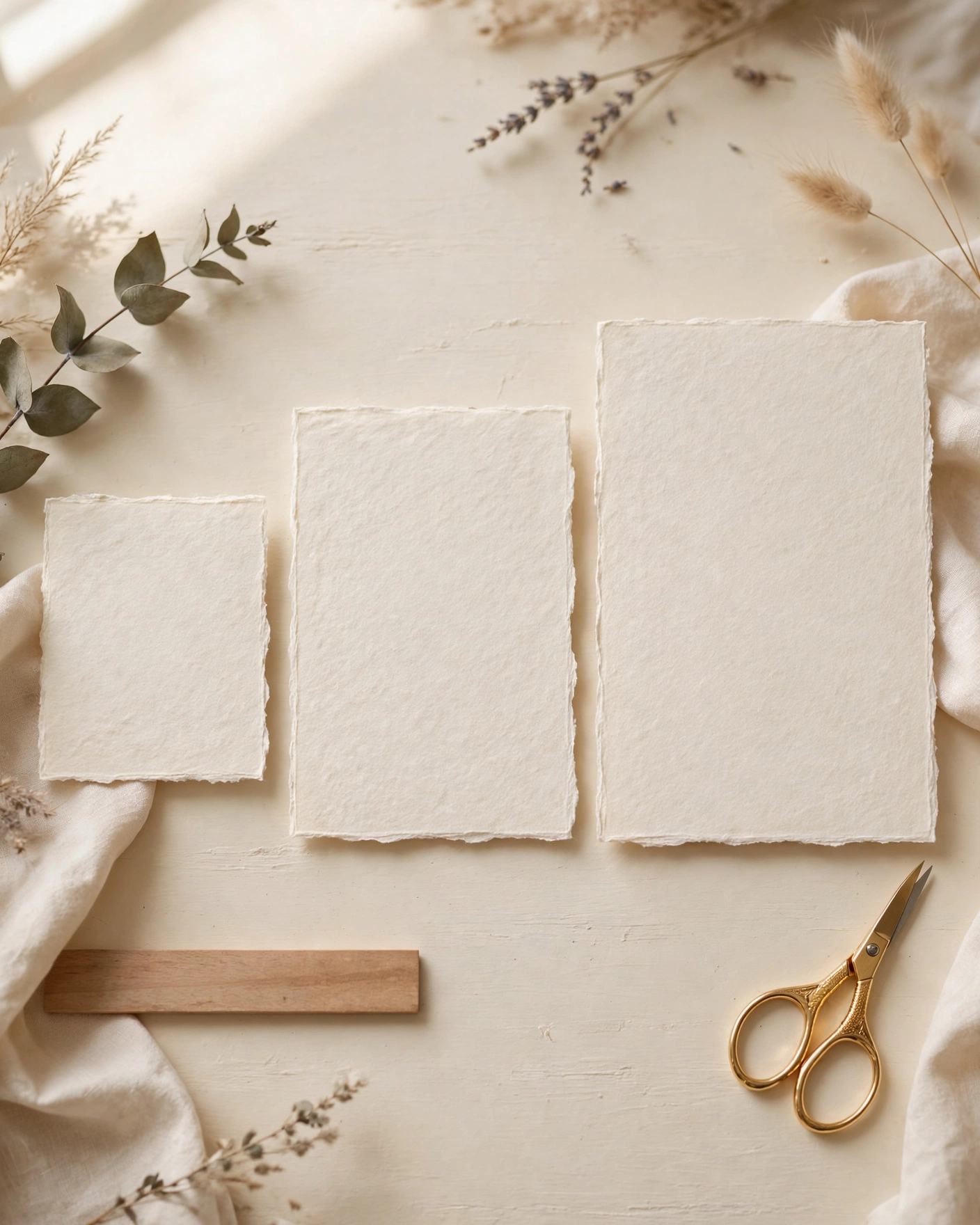
Printed cards are measured in inches, and 5 by 7 is the safe standard
A card size is the physical dimension of a printed invitation, usually given in inches. Common Indian wedding cards run from small 4 by 6 inch cards to grand 8 by 10 inch or larger formats, with 5 by 7 inch as the most popular middle ground. Size affects paper cost, envelope cost, and postage, and it changes how grand the card feels in hand.
Choose print size by how the card will be kept. A card meant for the mantelpiece can be larger and grander. A card meant to travel by post should stay standard, so envelopes and postage stay simple. Oversized cards look impressive once and then cause trouble at every post office.
The print sizes families actually order
4 by 6 inches, the keepsake
Small, neat, and easy to post. Suits a single event, a simple message, and a tight print budget. Tip: keep the text to the essentials, since a small card punishes long wording.
5 by 7 inches, the standard
The size most printers stock, most envelopes fit, and most guests expect. Suits almost every Indian wedding, from one event to three. Tip: if you are unsure, order this size. It is the one size nobody regrets.
6 by 8 inches, the generous
A little more room for two or three events, a family photograph, and a longer blessing. Suits multi event weddings that still want a single card. Tip: check the envelope price first, since this size often needs a custom envelope.
8 by 10 inches, the grand
Large, formal, and built to be framed. Suits palace weddings and cards that are meant to be kept. Tip: order fewer than you think you need, since they cost the most per card and many guests will receive the digital invite instead.
Square 6 by 6 inches, the modern
Clean, contemporary, and easy to photograph for social media. Suits modern themes and couples who want the card to look designed rather than traditional. Tip: square cards need square envelopes, so confirm both prices together.
Long 4 by 9 inches, the slim
Tall and elegant, like a bookmark. Suits a short guest list and a single ceremony, where the card is a beautiful object rather than a full programme. Tip: slim cards suit short wording best. Long event lists will feel cramped.
Six formats, and which wedding each fits
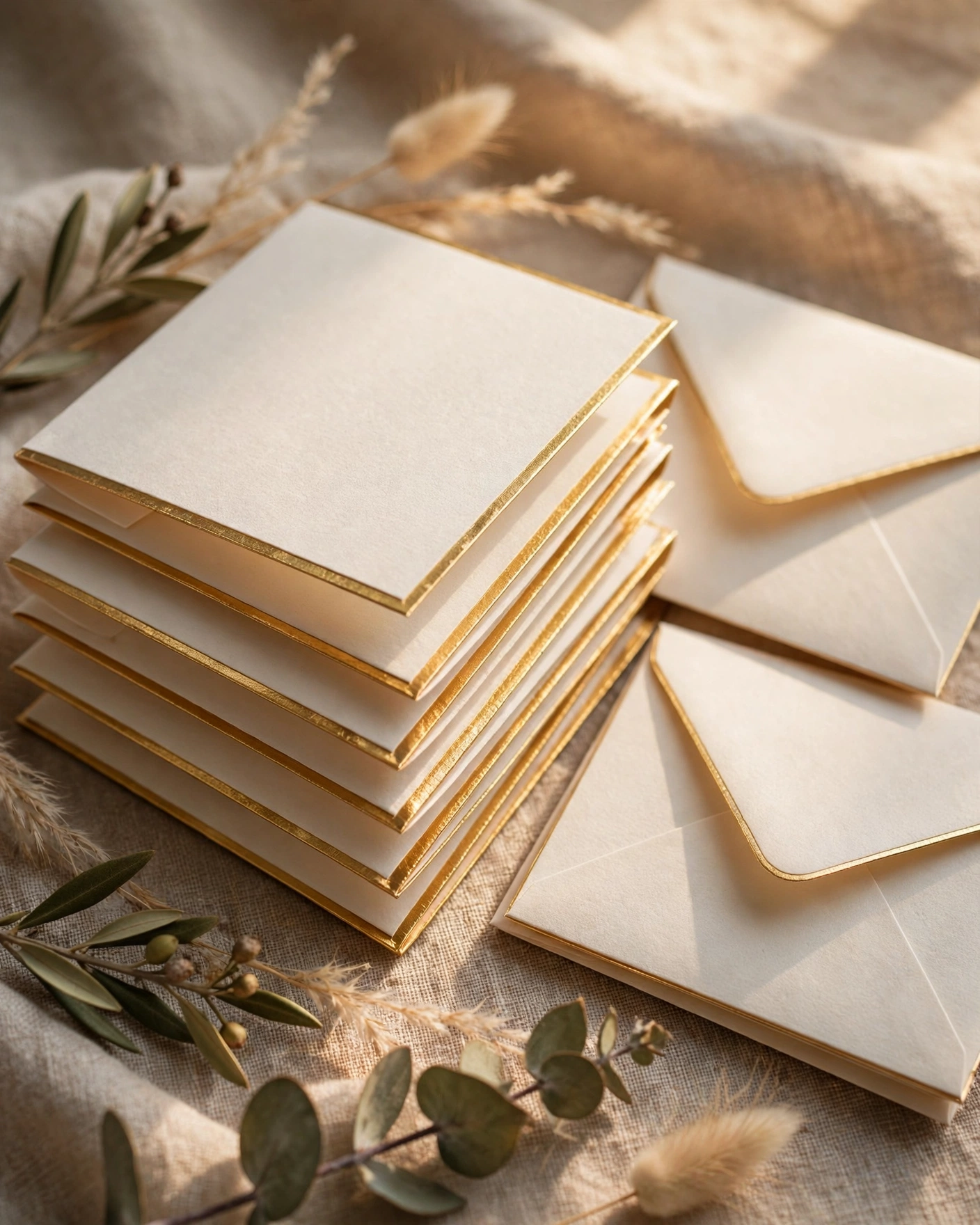
Single card
One flat card, printed on one or both sides. The simplest and most affordable print format, ideal for a small print batch or a single event wedding. Tip: print the blessing on the back, so the front stays clean and the names stay large.
Folded card
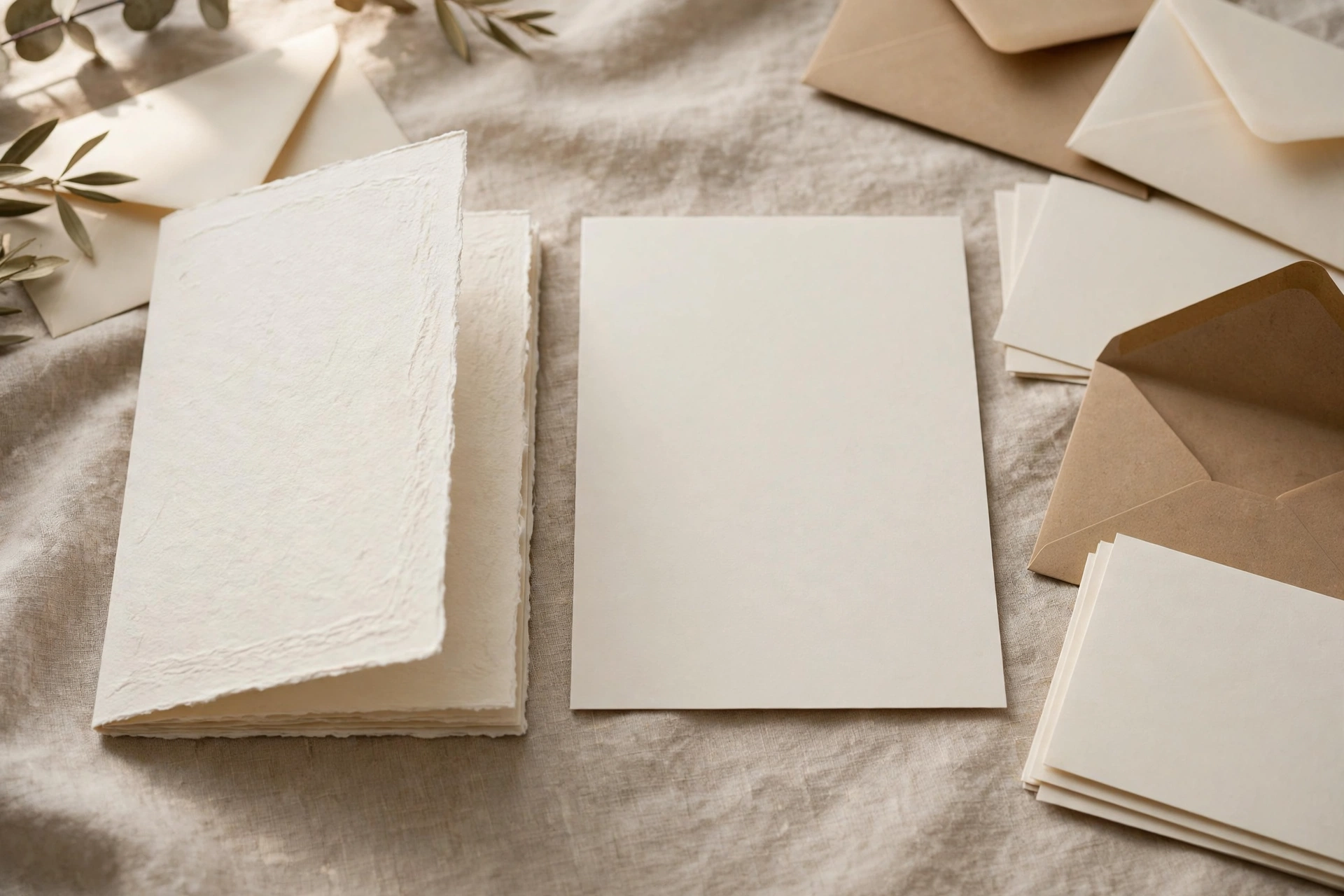
A cover with inside pages, so the blessing, the events, and the venue details each get their own space. Suits weddings with two or three events. Tip: put the wedding ceremony on the first inside page, since that is the page guests open to first.
Booklet
Several pages bound together, like a small book. Suits multi day weddings with many events, family photographs, and a full programme. Tip: keep the booklet under eight pages, since a thick booklet stops feeling like an invitation.
Scroll
A rolled invitation tied with a ribbon or a thread, opened like a royal farman. Suits grand, traditional weddings where the unrolling is part of the experience. Tip: scrolls are hard to post and harder to read on a lap, so keep one for close family and send the rest digitally.
Box invite
A card inside a decorated box, often with sweets, a small gift, or dried flowers. Suits close family and VIP guests. Tip: box invites are the most expensive format per guest, so reserve them for the people who truly matter, and send everyone else a simpler invite.
Digital invite
A vertical invitation on the phone, with an entrance film, photos, event sections, maps, and an RSVP button. Suits every guest list, since it costs nothing per guest and can be updated after sending. Tip: a digital invite is the only format where length costs nothing, so put the whole wedding week in it.
Digital has no inches, only seconds
Digital invites do not have a fixed size, but they do have a format: vertical scrolling, sections in order, and media that loads fast on mobile data. Guests scroll vertically, so put the names and date at the top, events in order, and the RSVP where it is easy to reach. Test on a real phone on mobile data. If it loads slowly, guests will close it.
How to choose, in four steps
- Count your events. One event fits a single card. Two or three events fit a folded card. A full week needs a booklet, a scroll, or a digital invite.
- Count your print guests. Elders and close family get print. Everyone else gets digital. Order print for that list only, not for the whole guest list.
- Get one printer quote for your chosen size, including envelopes and postage. A size that needs a custom envelope can cost more than a larger standard size.
- Preview both formats on your phone. Print and digital should carry the same names, dates, and venues, so no guest gets a different story.
Before you order anything
- The full event list, with dates, start times, and venues, finalised
- The print guest list, with names and addresses, checked by both families
- A printer quote for your chosen size, including envelopes and postage
- The digital invite previewed on your phone on mobile data
- One person proofreading both formats, since sizes change layouts and errors hide in them
- A decision on who gets print and who gets digital, written down
Mistakes that cost money
The first mistake is ordering print for the whole guest list. Most guests read the digital invite and never touch paper, so a full print run wastes money and paper. The second mistake is choosing a size before counting events. A beautiful 4 by 6 card cannot hold a five day programme, and the reprint costs more than the first print. The third mistake is forgetting the envelope. A card without a matching envelope cannot be sent, and custom envelopes take time to make.
Frequently asked questions
What is the most common Indian wedding card size?
5 by 7 inches. It fits most envelopes, suits one to three events, and costs less than larger sizes. Printers stock it, so it is also the fastest size to produce.
Should we print cards or go fully digital?
Print a small batch for elders and close family, and go digital for everyone else. A printed card is a keepsake. A digital invite is how most guests actually read the details, reply, and find the venue.
How do digital invites handle many events?
Length costs nothing on a phone, so a digital invite can carry the whole wedding week, each event on its own screen, with maps and RSVP inside. That is the main reason multi day weddings suit digital invites so well.
Do square cards cost more to post?
Often, yes. Square cards need square envelopes, which many printers charge extra for. Ask for the envelope and postage price before you commit to a square size.
Can we change details after printing?
No, which is why print should carry only final details. A digital invite can be updated after sending, so if a venue or time might still move, send the digital invite first and print only when everything is final.
Related reading
- Traditional and Digital Wedding Invitations: How to Use Both
- Modern Wedding Invitation Templates for Indian Couples
- What Information Should a Wedding Invitation Include?
Create your wedding invitation on MyIndiAura, and spend print money where guests will actually keep it.
See it on a real invite
Open any of these to see the full invite, then add your own names and preview it free.


Found this useful? Share it with someone planning a celebration.
Share