How to Plan a Memorable Wedding Reception
A reception is the celebration after the vows, where families meet, friends dance, and the couple finally relaxes. Plan it around people, not around a programme.
The short answer: food, music, and time to talk
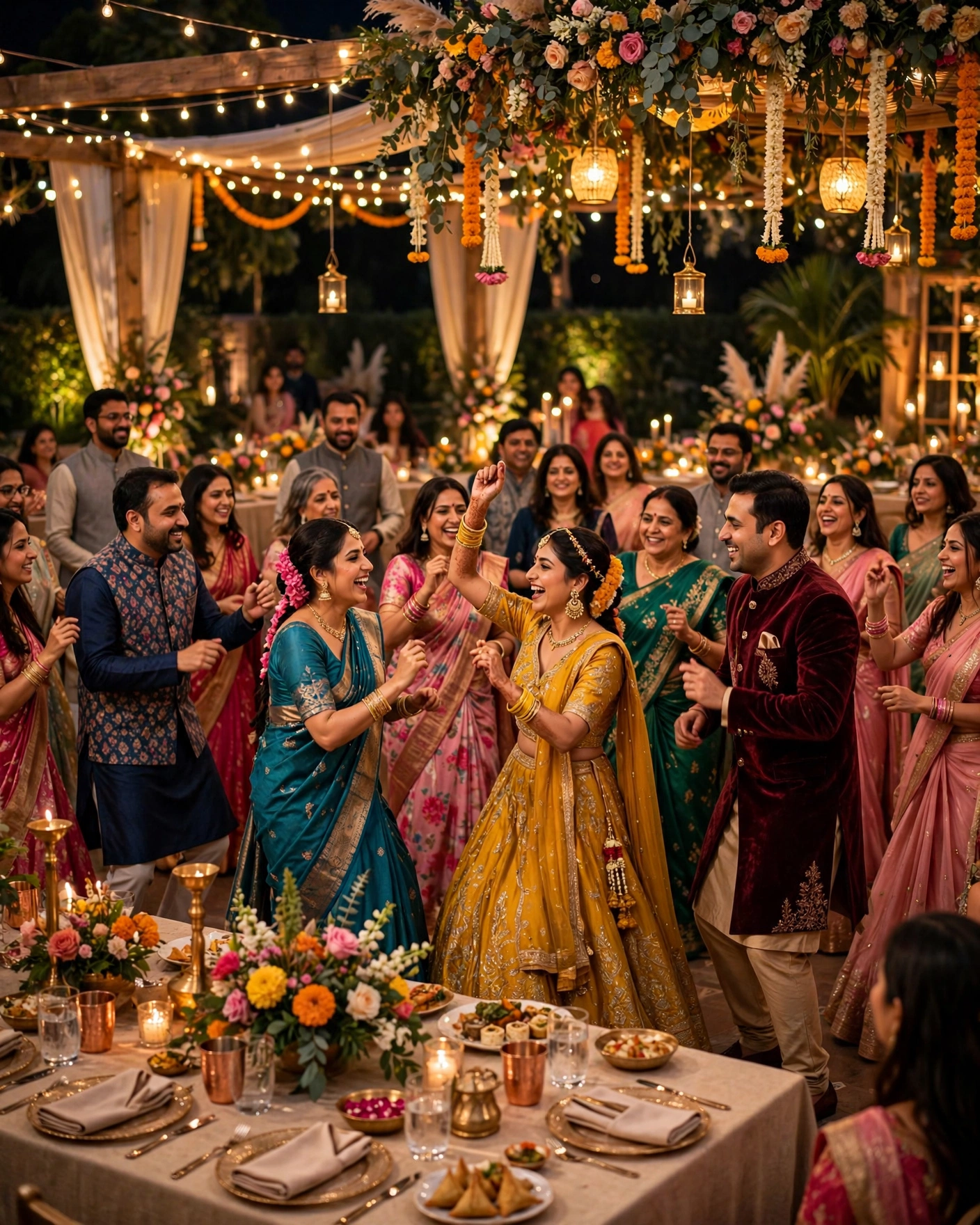
A reception succeeds on three things, in this order: good food, good music, and time for guests to talk to each other. Everything else is decoration. Couples who plan around people, rather than around a programme, end the evening with guests who felt welcomed, fed, and free to enjoy themselves.
The reception is the party after the ceremony, sometimes the same evening and sometimes days later. Unlike the ceremony, which follows ritual, the reception follows your taste. This guide covers the format, the flow of the evening, and the planning steps that keep it relaxed.
Pick a format that fits your crowd
Choose the format before you choose the venue, because the format decides the room, the food, and the sound. Talk it through with both families, and pick the one your guests will enjoy, not the one that photographs best.
- Evening dinner and dance. The classic. Dinner, short speeches, then dancing. It suits most families, and it works when the guest list spans generations.
- Daylight lunch. A relaxed afternoon reception with natural light and simpler food. It suits families with many elders and young children, and it ends before anyone is tired.
- Cocktail style. A standing reception with food stations and live music. It suits younger crowds who like to move around and meet new people, but it needs enough seating for elders.
- Family style. Long tables, shared food, and conversation, with no stage and no speeches longer than a toast. It suits intimate groups who want the evening to feel like a large family dinner.
- Destination evening. A reception at the wedding destination, so travelling guests celebrate together before they fly home. It suits weddings where most guests have travelled, and it saves a second event back home.
The flow of the evening
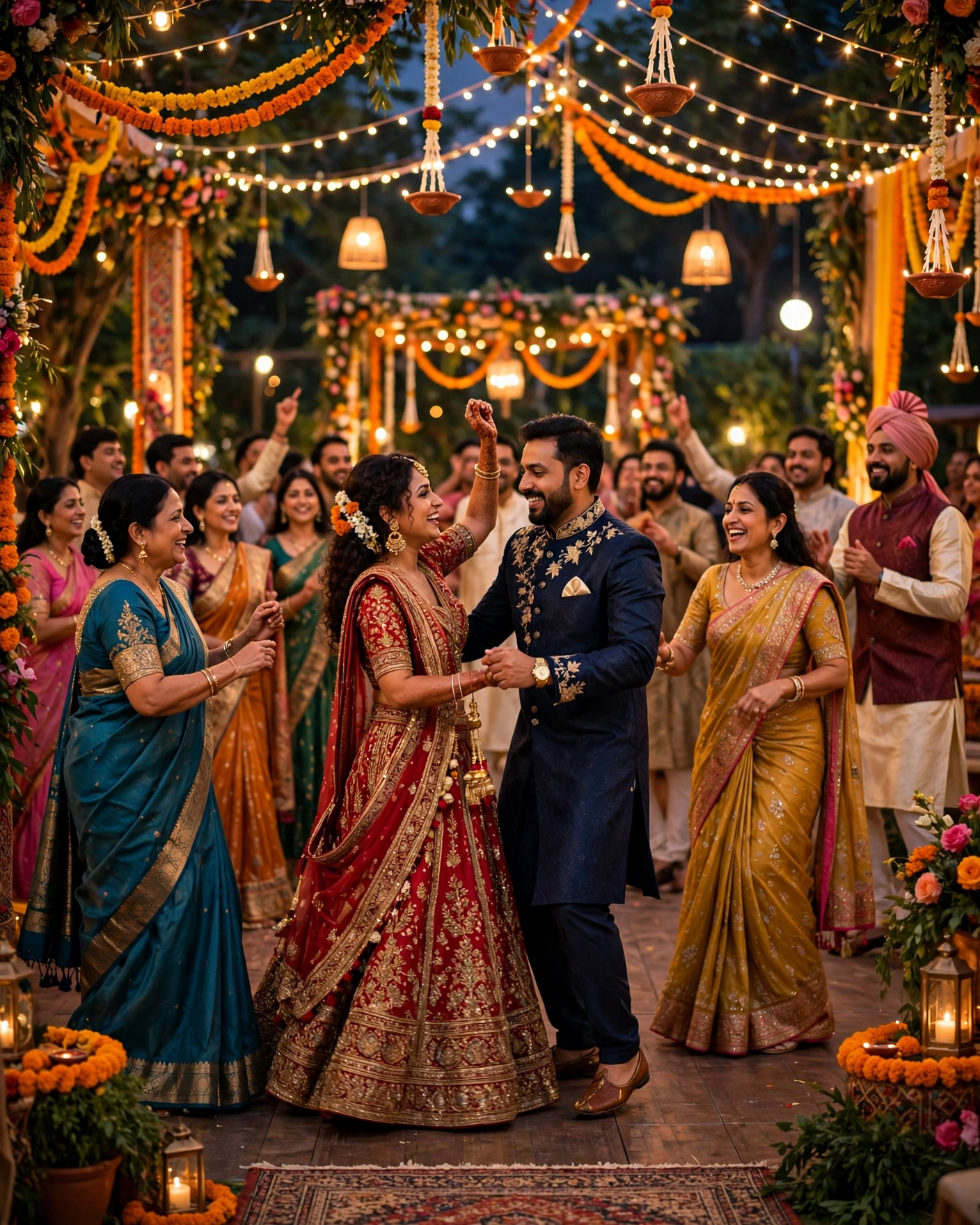
A good reception has a rhythm guests can feel: welcome, dinner, a few words, then dancing. Keep each part short, and leave gaps where nothing is scheduled. Guests need time to eat without rushing, time to find old friends, and time for the couple to visit every table.
A typical evening runs like this:
- 6:30 pm, doors open and welcome drinks. Guests arrive, find their tables, and meet each other.
- 7:00 pm, the couple enters, to music and applause. Keep the entry short, one song and one walk in.
- 7:15 pm, dinner begins. Serve the first course while guests are hungry, and let the couple eat too.
- 8:15 pm, speeches during dessert. Two or three speeches, two minutes each, from the people closest to the couple.
- 8:45 pm, first dance, then the floor opens. One dance for the couple, then everyone is invited in.
- 9:30 pm, cake cutting or a family dance, while energy is still high.
- 10:30 pm, last dance and farewells. End while guests are still smiling, not after they have tired.
Ask one person, not the couple, to keep the evening moving. The couple should enjoy the reception, not run it. Give that person the timings, the speech list, and the phone numbers of the caterer and the DJ, and let them handle the small delays.
Plan it step by step
- Fix the guest list first. Decide who is invited to the reception, if it differs from the ceremony list, and confirm the count with both families.
- Book the venue and the date. Confirm the date, the time, and the venue separately from the ceremony, and check the venue allows music until your closing time.
- Plan the menu. Offer options for elders, children, and guests with dietary needs, and taste the food before you finalise it.
- Book music and sound. Choose a DJ or a live band, agree the first dance song, and share a short list of family favourites.
- Keep speeches short. Ask each speaker for two minutes, and give them a deadline to send their words so you can check the total time.
- Plan the seating. Seat elders near the action but away from the speakers, keep families together, and place children near their parents.
- Send the invitation. Give the reception its own date, time, and venue in the invitation, so guests do not confuse it with the ceremony.
Food, music, and seating for the whole family
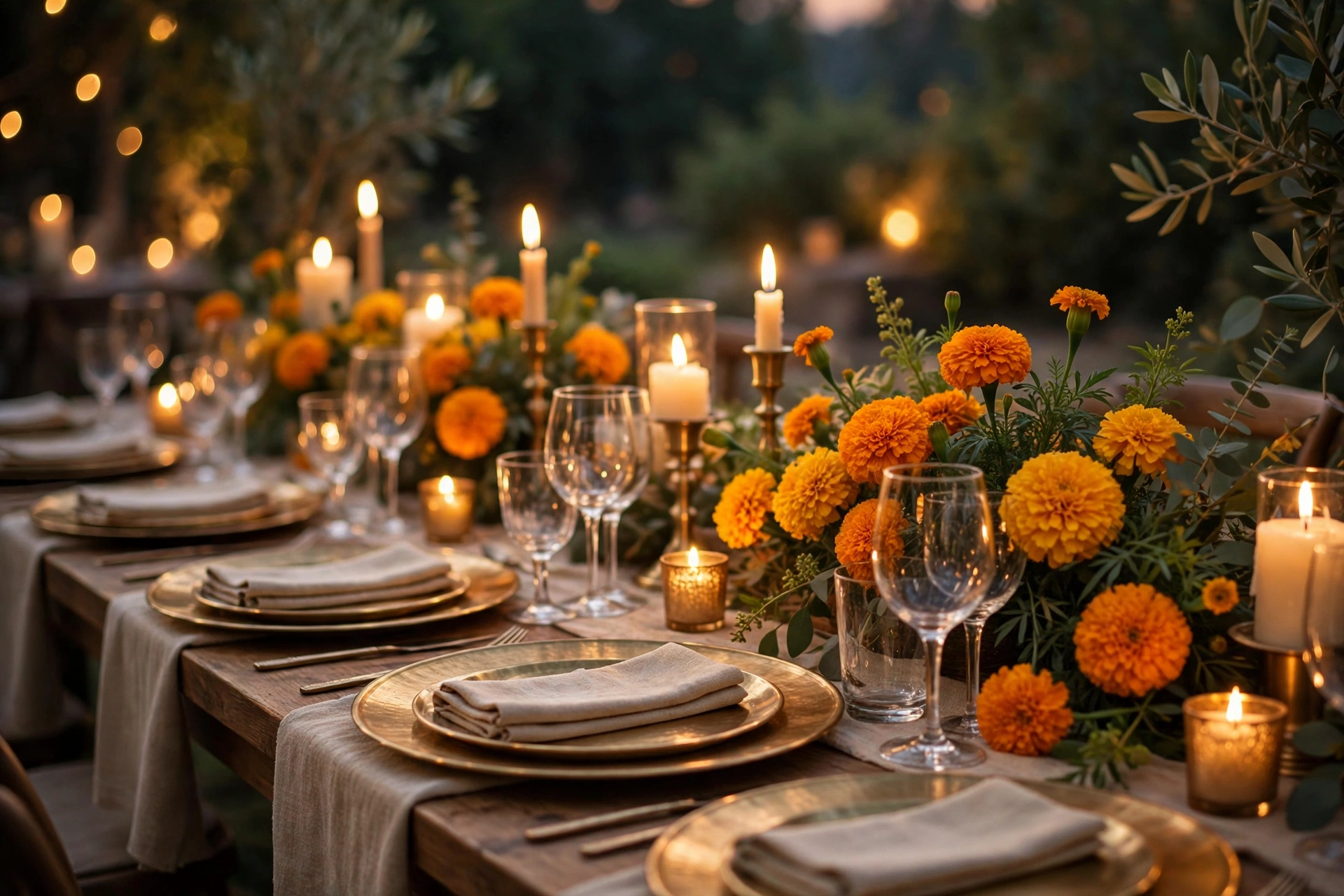
Food is where guests judge the evening first. Serve dinner while guests are hungry, keep the queues short, and label dishes clearly so guests with dietary needs can choose without asking. A small live counter, such as chaat or dosa, adds theatre without slowing the meal.
Music sets the mood, and it should change through the evening. Soft music during dinner, so guests can talk. Lively music after the speeches, so the floor fills. Ask the DJ to keep the volume low near the elders tables, and to take requests from the family, not only from friends.
Seating decides whether guests talk or sit in silence. Mix the two families at tables where they will get on, keep old friends together, and never seat a guest alone at a table of strangers. A simple seating chart at the entrance saves twenty minutes of confusion, and it tells guests they were thought of.
Common mistakes to avoid
- Over programming the evening. Guests spend the night watching a stage instead of talking to each other. Leave gaps, and cut any item that does not earn its place.
- Speeches that run long. Five long speeches empty a room. Two or three short ones, two minutes each, are remembered fondly.
- Forgetting the couple eats. The couple is pulled to every table and every photo. Serve them first, and give them fifteen quiet minutes to eat together.
- No plan for children. Children get bored, then restless. A small table with colours and games keeps them happy, and their parents grateful.
- Music too loud for dinner. Guests who cannot hear each other stop talking. Keep dinner music soft, and save the volume for dancing.
- Ending too late. A reception that drags past midnight loses its elders first, then its energy. End on a high note, while the floor is still full.
Reception checklist
- Venue, date, and time confirmed separately from the ceremony
- Guest list for the reception agreed, with dietary needs noted
- Menu tasted, with options for elders, children, and dietary needs
- Music booked, with first dance song and family favourites shared
- Speech list kept short, with two minutes per speaker
- One named person to run the evening, with vendor phone numbers
Frequently asked questions
How long should a wedding reception last?
Three to four hours is enough for most receptions, from doors opening to the last dance. Shorter feels rushed, and longer tires guests, so plan the flow to end while energy is still high.
When should the reception be held?
Many families hold it the same evening as the ceremony, while others hold it a day or two later. Pick the day that lets the most guests attend, and give the reception its own date and time in the invitation.
How many speeches should a reception have?
Two or three speeches, two minutes each, from the people closest to the couple. One good short speech is remembered, while five long ones are not.
What time should dinner be served?
Serve dinner early, while guests are hungry, usually within half an hour of the couple entering. Speeches work best during dessert, when everyone is seated and relaxed.
Do we need a separate invitation for the reception?
No, one invitation can carry both, but give the reception its own section with its own date, time, and venue. Guests should never have to guess which event the timings belong to.
Related reading
- Indian Wedding Planning Checklist: 12 Months to the Wedding Day
- Baraat Planning: Music, Timing and Keeping the Energy Up
Plan the evening around your guests, and let MyIndiAura carry the invitation that brings them all together.
See it on a real invite
Open any of these to see the full invite, then add your own names and preview it free.

Found this useful? Share it with someone planning a celebration.
Share