Modern Indian Wedding Ideas for Couples
A modern Indian wedding keeps the rituals that matter and lets go of the parts that feel like duty. The result feels personal, relaxed, and still unmistakably Indian.
Modern means chosen, not western
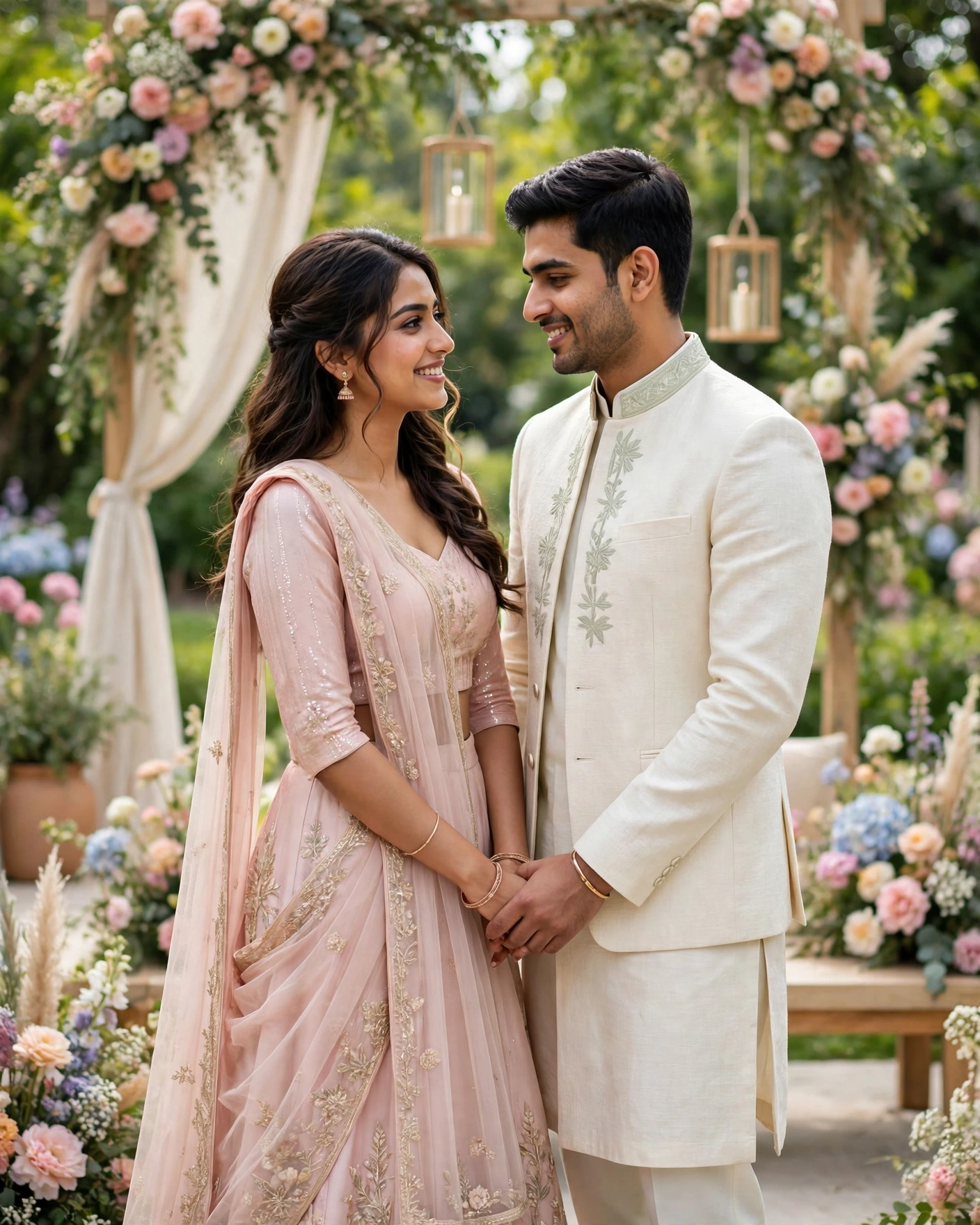
A modern Indian wedding is not a rejection of tradition. It is a wedding where the couple has chosen deliberately: which ceremonies to keep, which to shorten, and which new moments to add. A couple might keep the pheras in full and skip a three day schedule, or keep a big sangeet and make the wedding itself small and quiet.
The modern part usually shows in the details. Invitations go out on phones instead of paper. Music mixes old songs with new ones. Dress codes are simpler. Guests are told what to expect, so no one is confused by a ceremony they have never seen before. Modern does not mean western. It means the wedding looks like the couple.
Start from your daily life, not from a wedding magazine. If you spend weekends outdoors, a garden wedding will feel right. If you love old Hindi songs, build the sangeet around them. The wedding should feel like a bigger version of your life together, not a costume you wear for a week.
Twelve modern ideas that still feel Indian
Short and sweet
Two events instead of five, each one done well. Ideal for working couples and small families. Tip: a short wedding needs a clear schedule, so guests never wonder what comes next.
Fusion music
Classical instruments with modern songs at the sangeet. Familiar for elders, fun for friends. Tip: agree the playlist with both families, so the music bridges generations instead of dividing them.
Daylight wedding
A morning or afternoon ceremony with natural light and simple flowers. Photographs beautifully, and guests go home rested. Tip: plan shade and cold drinks carefully, since daylight weddings live or die on guest comfort.
Experience first
A food walk, a music evening, or a shared activity instead of one more formal dinner. Suits couples who want guests to do something together, not just sit together. Tip: pick one experience and do it well. Three half done activities feel like filler.
Digital first
Invitations, updates, and photos all on the phone. Practical when guests live in different cities. Tip: a digital first wedding still needs one personal call to elders, since a link alone can feel cold to them.
One venue, one weekend
Every event in the same place, over one weekend, so nobody travels between venues. Suits outstation guests and couples who want the week to feel like a holiday. Tip: ask the venue how it resets between events, since a slow reset eats into celebration time.
Brunch wedding
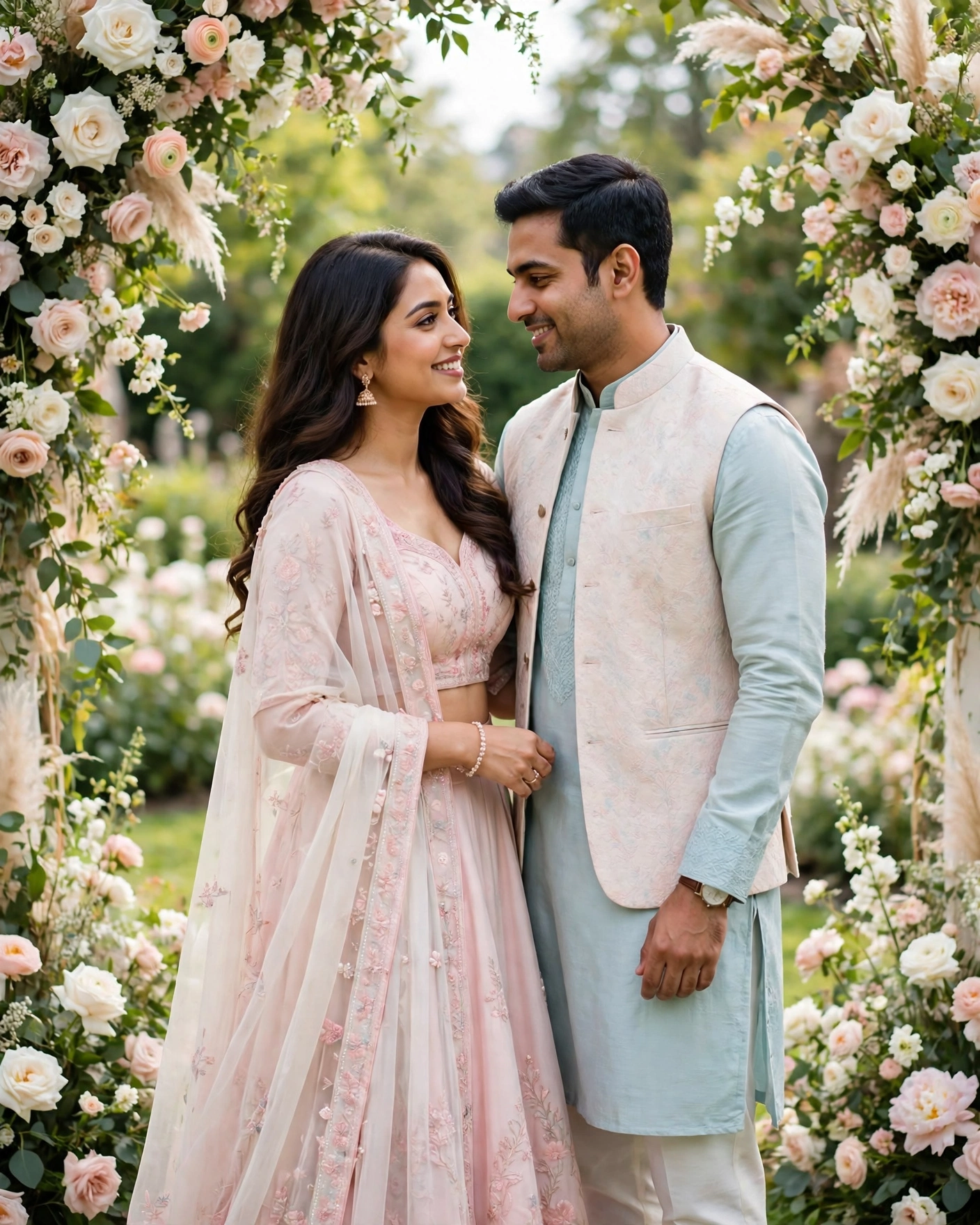
A late morning ceremony followed by a long brunch, with the celebration ending in daylight. Suits couples who dislike late nights and families with small children. Tip: brunch weddings need a clear end time, or guests drift away unsure whether the celebration is over.
Cocktail sangeet
An evening of music, dancing, and cocktails, with the sangeet feeling like a party rather than a performance. Suits young crowds and couples who love to dance. Tip: keep one set of family performances early, so elders are part of the evening before the party takes over.
Family style dinner
Long tables, shared dishes, and conversation as the entertainment. Suits intimate weddings and couples who value talking over staging. Tip: seat families together, not apart, since a family style dinner is about mixing, not sorting.
Unplugged ceremony
Guests put phones away for the ceremony itself, and a photographer captures it properly. Suits couples who want the pheras watched, not filmed by a hundred phones. Tip: announce it kindly on the invitation and again at the door, so nobody feels scolded.
Morning pheras, evening party
The rituals in the morning, when the light is soft and elders are fresh, and the celebration in the evening, when friends are ready to dance. Suits couples who want both tradition and fun without compromise. Tip: give guests a real break between the two, with rooms to rest and change.
After party, done simply
A short, relaxed gathering after the reception, for friends only, with music and chai. Suits couples whose friends have travelled far and want one more hour together. Tip: keep it to an hour and say so, since an open ended after party exhausts everyone.
Protect one quiet moment
Modern weddings fill up fast with activities. Keep one hour with no programme at all, just family and close friends, and it will become the part everyone remembers. Small personal details beat big generic gestures every time.
Explain the celebration clearly in the invitation, so guests understand a modern schedule without confusion, and give each ceremony its own section, so a short modern wedding still feels complete. Send the digital invitation early, so outstation guests can book travel, and share it personally with elders, offering to explain anything unfamiliar.
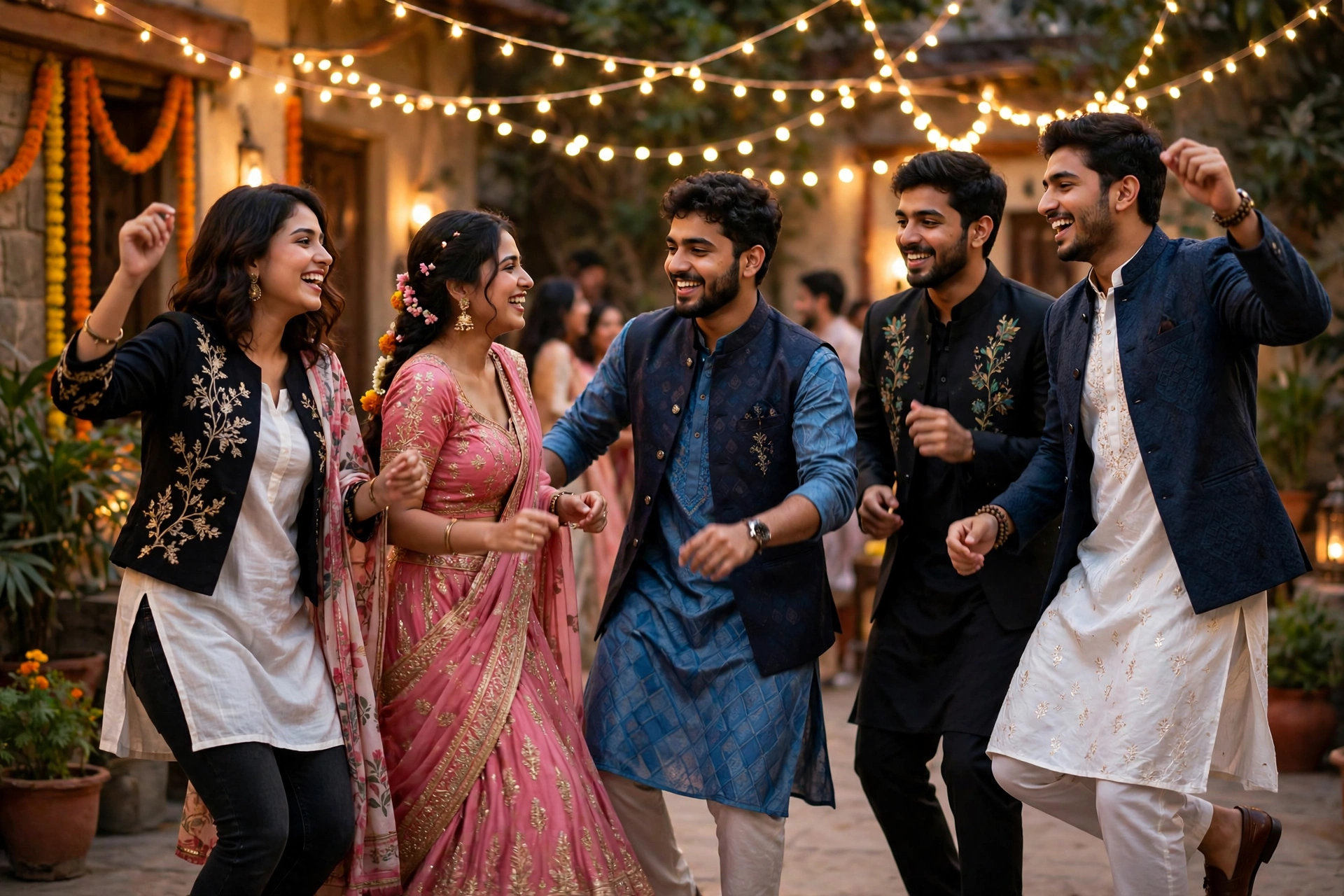
Before you plan a modern wedding
- The ceremonies you definitely want, and the ones you are happy to shorten, listed together
- The venue and dates confirmed, before invitations are designed
- A music list that mixes generations, agreed with both families
- The schedule explained in the invitation, so no guest is confused
- One quiet hour with no programme, protected in the schedule
- Elders called personally, with anything unfamiliar explained
Mistakes that make modern feel empty
The first mistake is cutting so much that nothing remains. A wedding with no ritual and no family moment feels like a party with nice clothes. Keep the ceremonies that matter, and cut the rest. The second mistake is confusing modern with western. A modern Indian wedding keeps its rituals and changes its logistics, not the other way round. The third mistake is forgetting to explain. Guests who do not understand a modern schedule feel lost, and lost guests do not celebrate well.
Frequently asked questions
What makes a wedding modern?
Choice. A modern wedding is one where the couple chose deliberately: which ceremonies to keep, which to shorten, and which new moments to add. It is not about western clothes or a hotel venue. It is about the wedding looking like the couple.
Can a modern wedding still have traditional rituals?
Yes, and the best ones do. Keep the pheras in full, keep the blessings, and modernise the logistics around them: shorter schedules, clearer invitations, simpler dress codes. Tradition and modernity share a wedding easily when the couple decides what matters.
How do we explain a modern schedule to elders?
Call them personally, and explain the plan in plain words. Elders accept a modern wedding readily when they understand it. What they resist is surprise, not change.
Is a short wedding cheaper?
Often, but not always. Fewer events mean fewer vendor days, but a short wedding done well can still cost as much as a long one done simply. The saving comes from focus, not from the calendar alone.
Should we go fully digital for a modern wedding?
For invitations, yes, for most guests. A digital invite carries the whole schedule, the maps, and the RSVP, and it can be updated after sending. Keep a small print batch for elders and close family, who value paper.
Related reading
- Indian Wedding Planning Checklist: 12 Months to the Wedding Day
- Wedding Invitation Wording: Examples for Every Function
Create your wedding invitation on MyIndiAura, and make a modern wedding that still feels unmistakably Indian.
See it on a real invite
Open any of these to see the full invite, then add your own names and preview it free.
Found this useful? Share it with someone planning a celebration.
Share