Mundan Ceremony Invitation Card Designs
Mundan ceremony invitation card designs: calm motifs, photo or no photo, temple and home ideas, timings that suit a small child, and wording families use.
The card at a glance
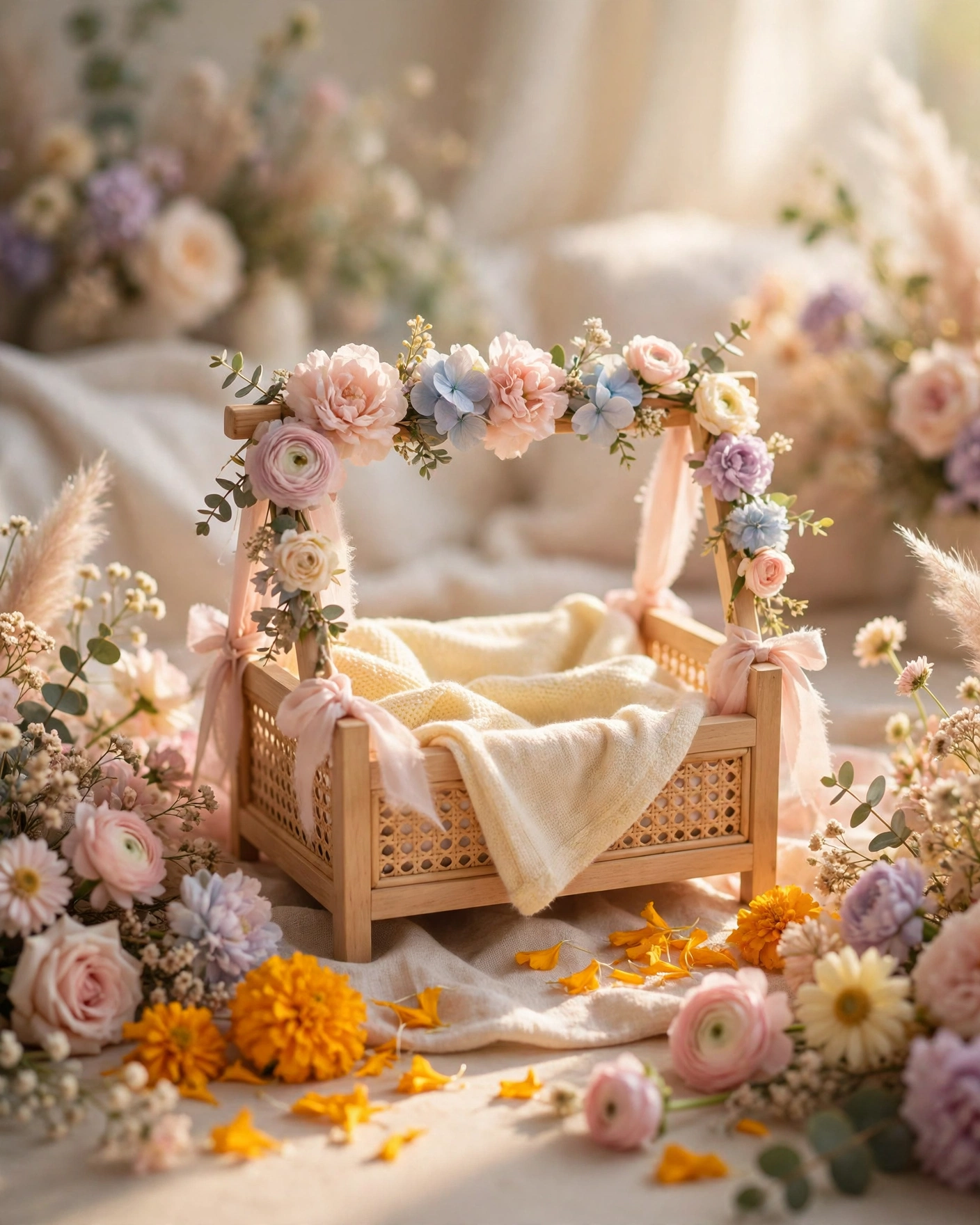
A mundan invitation card works best with soft colours, a joyful child centred design, and clear ceremony details. Keep the design focused on the invitation, the date, the venue and the welcome, rather than a full guide to the ceremony. Pastel tones, gentle florals and one sweet photo make the card feel celebratory without feeling busy.
Mundan, also called chudakarana, is the ceremony in which a child's first hair is cut, with blessings for health and a bright future. It is usually a joyful family gathering, often at home or in a temple, followed by a meal. This article stays on the invitation, not on ceremony guidance, which the published parents guide already covers. A good mundan card is soft, cheerful and easy to read. It names the child and parents, gives the ceremony date and venue, and carries a design that feels like a celebration of a little one.
Four card forms
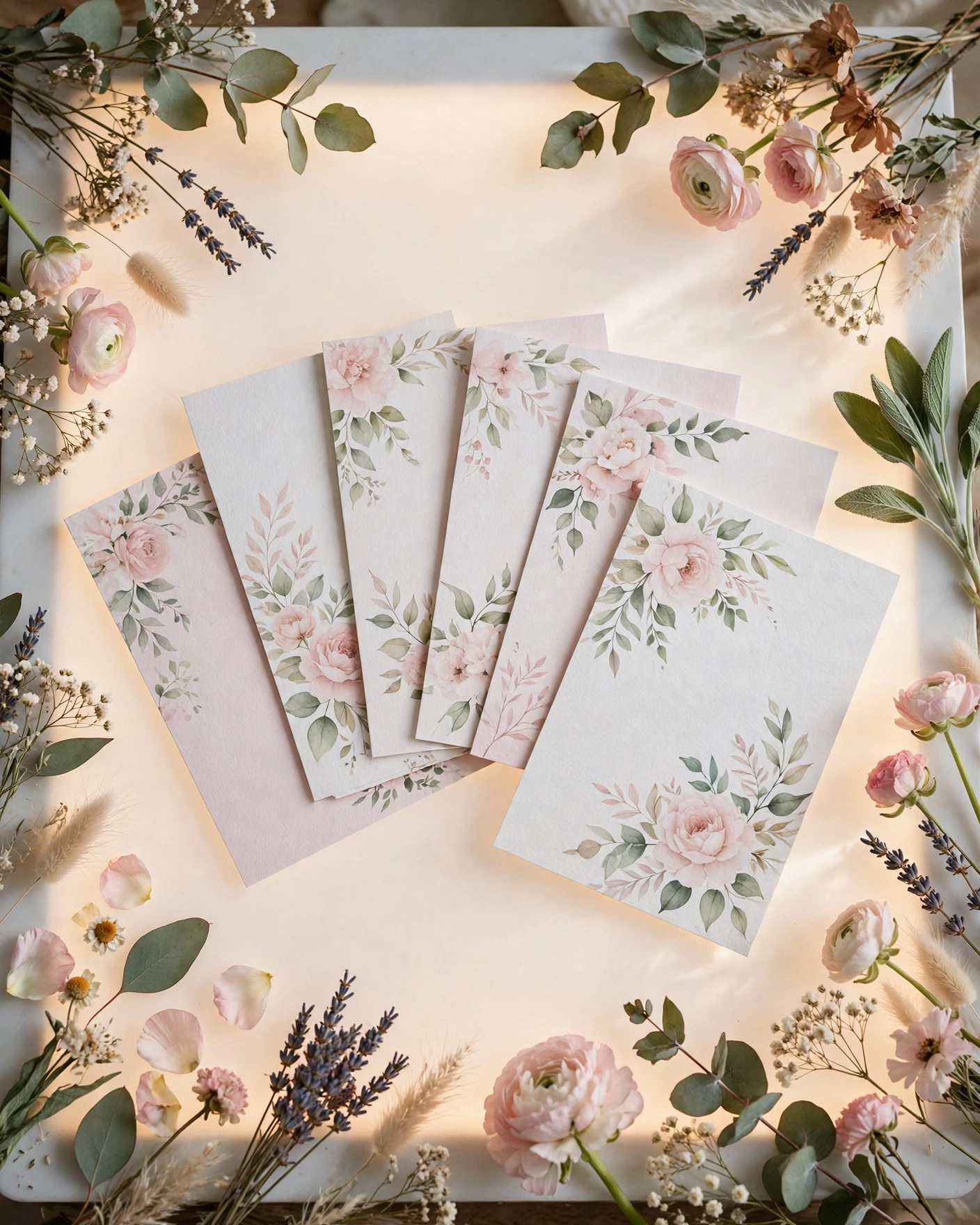
A floral pastel card suits a gentle, modern family celebration. A traditional card uses warm colours, gold detail and a blessing tone, and suits elders. A photo card puts the child at the centre, and suits close family who already know the little one. A simple message card fits WhatsApp, with a short welcome and the details. Whichever form you choose, keep the ceremony time and the meal time distinct.
Designing calmly
Let the child be the hero, but keep the design calm. One photo, one palette and one decorative motif are enough. Use large, readable lettering for the date and venue, because grandparents will check those first. Avoid crowded borders and competing colours.
A mundan card should feel like a smile, soft, bright and full of blessing.
Photo or motif: the privacy choice
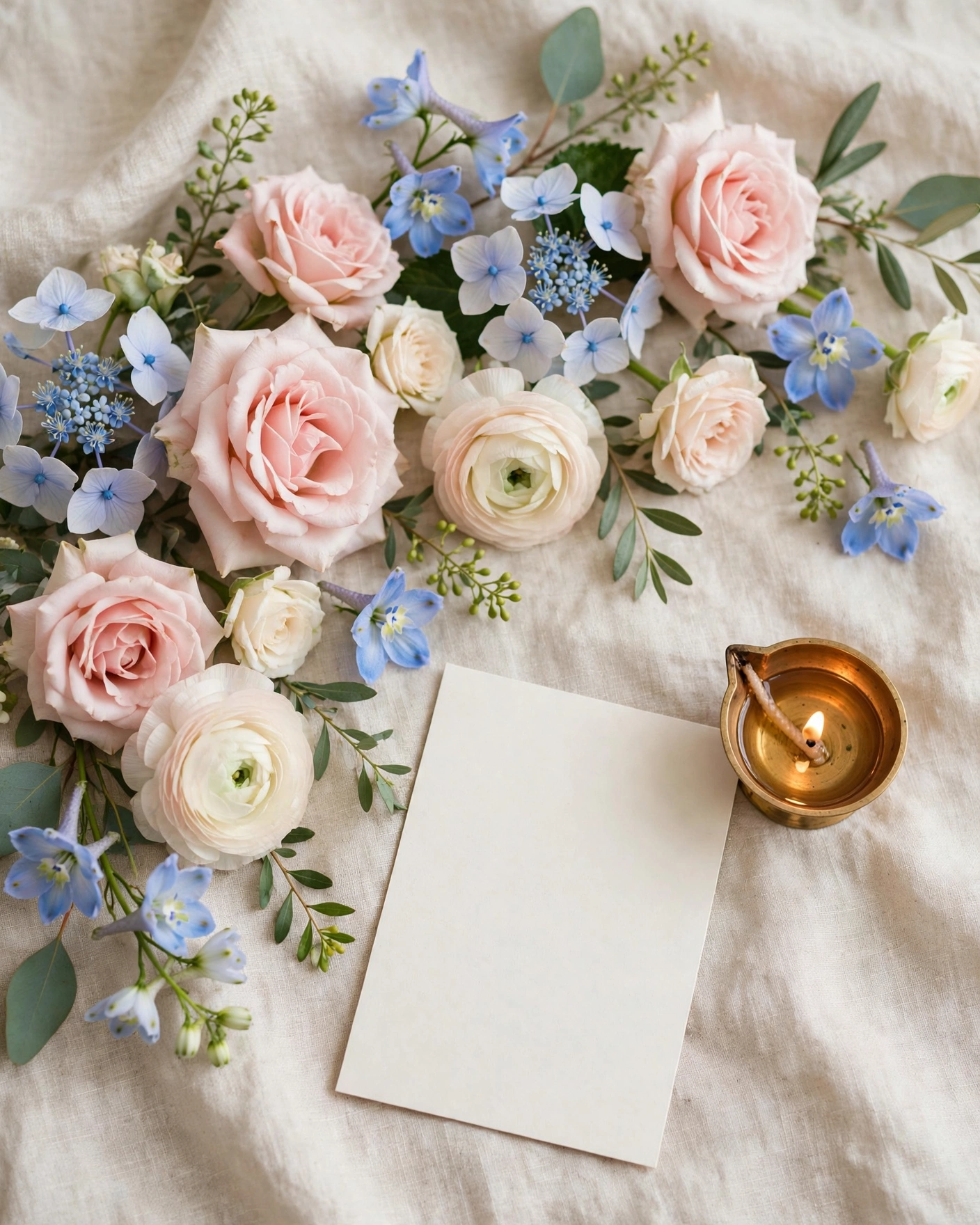
If the family prefers not to share the child's photo widely, use florals or a cradle motif instead, which keeps the card beautiful and private. A photo, used with care and only with the parents consent, suits close family. For a wider guest list, the motif card is the kinder choice, and it still feels personal.
Before you send
- The child name, and parents names, as the family wishes them shown.
- Ceremony date, time and venue, confirmed in advance.
- A photo, only if the parents are happy to share it.
- Meal or gathering time, kept distinct from the ceremony time.
- Contact details for guests who need directions.
- Send to grandparents and elders first, with a personal call, share on WhatsApp with a short personal line above the link, send a reminder the day before with the venue again, and after the ceremony, share a thank you message if the family wishes.
Create your mundan invitation on MyIndiAura, soft, bright and full of blessing, and share a finished invitation you are proud of.
Six mundan designs to consider
Temple bells
Two small brass bells above the child's name, for a mundan held at a temple.
River ghat
A soft painting of a ghat at sunrise, for families who travel to Haridwar or Varanasi.
Swastik and kalash
Traditional and auspicious, drawn in saffron on cream.
Little curls
A playful drawing of a single curl, light-hearted and sweet.
Peacock feather
A peacock feather for a gentle nod to Krishna, popular for little boys and girls alike.
Plain and calm
Pale yellow card, the child's name and the details, nothing more.
Planning around a small child
- Choose a morning time, when the child is fresh and fed.
- Keep the guest list to close family, as crowds unsettle young children.
- Plan a short lunch after the ritual, not a long party.
- Bring a soft cap and a change of clothes for the child.
The mundan is a tender ritual for parents, and many feel a little emotional watching the first hair fall. A calm card, a quiet morning and a few loved faces suit the moment far better than a large crowd.
Before you send
- The child's name and the parents' names
- Temple or home address, with a map pin
- Ritual time and lunch time on separate lines
- A decision about whether to include a photo
Frequently asked questions
At what age is the mundan done?
Usually in the first or third year, depending on family tradition.
Should a photo of the child be on the card?
It is optional. Many families prefer a motif for privacy, especially when sharing widely.
Who is invited to a mundan?
Close family and a few friends. It is usually a small gathering.
Where is the mundan held?
At home, at a family temple, or at a pilgrimage site such as Haridwar, Varanasi or Tirupati.
Related reading
See it on a real invite
Open any of these to see the full invite, then add your own names and preview it free.

Found this useful? Share it with someone planning a celebration.
Share